Last updated: August 10, 2026
By the time most caregivers search for help, they are already running on empty. You have been putting someone else first — a parent, a spouse, a child with a disability, a friend — for weeks, months, sometimes years. Caregiver burnout is not a character flaw or a sign that you love someone less. Research confirms, again and again, that this is a predictable physical and emotional collapse following prolonged, unsupported caregiving — one with a recognizable pattern, real solutions, and specific warning signs that arrive well before the breakdown. This caregiver burnout stress relief complete guide names those mechanisms clearly, distinguishes exhaustion from clinical burnout, and gives you a ranked set of interventions organized by what is actually likely to work.
Years spent reading and writing about family caregiving — including the clinical research, guidance from geriatric social workers, and hard-won accounts from caregivers themselves — point to one recurring problem: most articles on this subject treat caregiver burnout as a vague wellness problem and offer vague wellness answers. Research published in journals such as The Gerontologist and resources from the Family Caregiver Alliance consistently show that approach falls short for caregivers in moderate to advanced burnout. Simply inadequate. Uncertain whether what you’re experiencing rises to a clinical level? Please speak with your doctor or a licensed mental health provider who can assess your specific situation.
Caregiver burnout affects approximately 1 in 5 family caregivers in the United States, according to the National Alliance for Caregiving. Three overlapping changes define it — emotional exhaustion, depersonalization, and collapsed personal efficacy — and rest alone does not resolve any of them. Recognizing 4 or more warning signs (see below) warrants prompt professional consultation. The single most effective structural intervention is respite care; the most effective clinical intervention for depression and anxiety is therapy combined with physician evaluation.
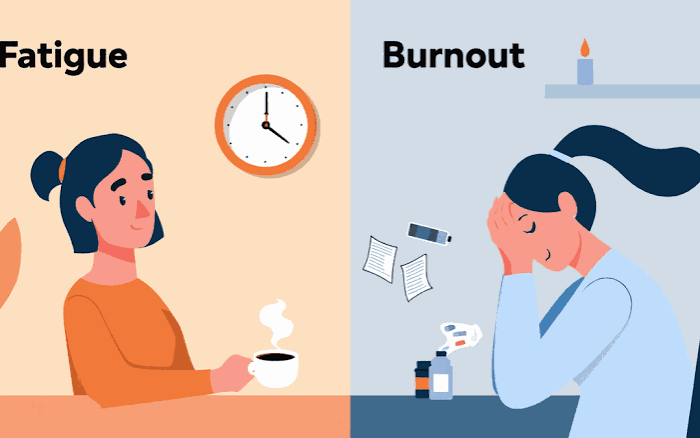
- Caregiver burnout is clinically distinct from ordinary tiredness: it does not lift after a single night of sleep or a day off.
- Approximately 53 million Americans provide unpaid care to an adult or child, according to a 2020 National Alliance for Caregiving and AARP report.
- Caregivers are up to twice as likely to report symptoms of depression as non-caregivers, per research summarized by the American Psychological Association.
- The 988 Suicide and Crisis Lifeline (call or text 988 in the U.S.) offers support for caregivers in mental health crisis.
- Respite care — temporary relief care — is the most evidence-supported structural intervention for moderate to advanced caregiver burnout.
- Recognizing 4 or more burnout warning signs is a prompt to seek professional evaluation, not simply to try harder coping strategies.
- Family caregivers who use respite services report lower rates of burnout and higher care quality, according to the ARCH National Respite Network.
What Caregiver Burnout Actually Is — and Why “Just Rest” Doesn’t Fix It
Caregiver burnout is not the same as being tired. Tiredness lifts after sleep. Burnout does not — and that distinction is where everything else in this guide begins.
Three overlapping changes define the clinical picture: emotional exhaustion (nothing left to give), depersonalization (you begin to resent or feel detached from the person you care for, which then produces guilt that makes everything worse), and a collapse of personal efficacy — nothing you do feels like enough, and at some point you stop believing it ever will.
That pattern of depersonalization and emotional numbing was first described in healthcare workers, but research documented through the National Alliance for Caregiving and published in journals such as The Gerontologist has confirmed it occurs in family caregivers at high rates. The risk is sharpest among those caring for someone with dementia, a progressive neurological condition, or a severe mental illness — situations where demands escalate and there is no clear endpoint.
Because those progressive conditions create an ever-rising baseline of demand, “just rest” fails not for motivational reasons but neurochemical ones. Chronic stress elevates cortisol over a sustained period; elevated cortisol then disrupts sleep architecture, suppresses immune function, and impairs the prefrontal cortex — the part of the brain responsible for decisions, emotional regulation, and empathy. A weekend away will not restore that system. Structural change is what’s required, not a single recovery event.
Caregivers who believe a vacation should have fixed them tend to conclude the problem is inside them rather than in the conditions. But the conditions are the problem. Enduring them more gracefully is not the answer — changing them is.
The Warning Signs of Caregiver Burnout That Arrive Before the Collapse
Most caregivers report that they recognized caregiver burnout only in retrospect — after the breakdown, the hospitalization, the relationship crisis, or the moment they screamed at the person they were trying to protect. The warning signs were present earlier. Misread as ordinary stress or dismissed as selfishness, they got ignored.
Here is what to watch for, roughly in the order they tend to appear:
Sleep changes that persist. Difficulty falling asleep, waking at 3 a.m. with a racing mind, or sleeping heavily but waking exhausted — any of these lasting more than two to three weeks signals a stress response that has crossed from acute into chronic.
Increasing irritability with the care recipient. A caregiver who genuinely loves the person they are helping will eventually become short-tempered, impatient, or cold toward them if the load is too heavy. This is not cruelty — it is the nervous system protecting itself. Crushing guilt about it afterward is also a warning sign, not evidence of who you are.
Withdrawal from your own life. Declining invitations, stopping hobbies, avoiding friends — partly from exhaustion, partly because explaining the situation feels like too much effort.
Physical symptoms without a clear cause. Frequent infections, headaches, digestive problems, and unexplained aches are well-documented correlates of chronic stress. The body keeps score, as the trauma researchers say.
Magical thinking and resentment. Fantasizing about the person dying, or the caregiving situation ending, followed by intense shame. Extremely common in advanced burnout — and almost never discussed because caregivers fear what the thought reveals about them. In reality, it reveals that you are human and past capacity. That you do not love is not what this says.
Neglecting your own medical care. Skipping your own appointments to manage theirs. One of the most reliable behavioral markers of caregiver burnout and one of the most dangerous, because it accelerates physical decline in the caregiver.
Four or more of these signs? Treat that as a prompt to consult a physician or a licensed mental health provider — not a signal to simply cope harder. Research from the Family Caregiver Alliance suggests that caregivers who seek professional evaluation at this stage achieve significantly better outcomes than those who wait for a crisis. The Family Caregiver Alliance maintains a self-assessment tool and state-by-state resource locator that is a useful starting point before or alongside that professional conversation.
The Honest Side-by-Side: What Actually Relieves Caregiver Stress vs. What Just Sounds Like It Should
A lot of caregiver stress relief advice circulates in caregiving communities that is not wrong but is incomplete. Below is a direct comparison of the approaches people most commonly try, with honest assessments of what each actually delivers.
| Approach | What It Actually Does | Real Limitation | Best For |
|---|---|---|---|
| Mindfulness / meditation | Lowers acute cortisol response; improves emotional regulation over time | Requires 10–20 minutes of uninterrupted time — which many caregivers do not have | Caregivers with predictable windows of quiet |
| Exercise | One of the strongest evidence-backed interventions for depression and cortisol regulation | Hard to maintain when caregiving schedule is unpredictable | Caregivers who can schedule it with a backup plan |
| Respite care (temporary relief care) | Addresses the structural cause — gives genuine time off | Often expensive; accessing subsidies is complicated; many caregivers feel guilty using it | The single most important intervention for advanced burnout |
| Support groups | Reduces isolation; normalizes experience; provides practical tips | Does not reduce the physical load; can feel like more obligation | Caregivers experiencing isolation, shame, or “nobody understands” |
| Therapy (CBT or caregiver-focused) | Addresses guilt, catastrophizing, and resentment directly | Requires access and cost; therapist may have little caregiver-specific training | Caregivers whose emotional response is the primary driver of distress |
| Improving sleep hygiene | Restores prefrontal function; makes everything else more manageable | Does not address root causes; may be disrupted by care demands overnight | Early-stage burnout where sleep is still recoverable |
| Hiring additional care support | Reduces the structural load directly | Cost; difficulty finding reliable help; care recipient may resist | The most durable long-term solution if affordable |
| Journaling / expressive writing | Research suggests benefit for processing difficult emotions | Underused; does not help those who experience writing as a task | Caregivers who process things verbally or in writing |
The honest read from this comparison: interventions that address the structural load — respite care, additional hired help, dividing tasks with family members — are consistently more effective for moderate to advanced caregiver burnout than approaches that help you cope with that load. Coping strategies matter, but they do not substitute for load reduction.
Why is this under-discussed? Load reduction requires money, family negotiation, and difficult conversations. Telling someone to meditate is easier. But easier is not the same as honest.
Respite Care: The Most Important Caregiver Stress Relief Tool Most Families Underuse
Respite care means temporary relief care — someone else takes over for a defined period so you can rest, attend to your own needs, or simply not be a caregiver for a few hours or days. Across caregiver research, no single intervention is more consistently associated with reduced burnout severity. And yet, studies from the ARCH National Respite Network find that fewer than 1 in 4 eligible caregivers actually use available subsidized respite services. That gap is worth sitting with.
Several forms exist:
In-home respite brings a paid worker or volunteer into your home to take over supervision and care tasks for a block of time. Adult day programs provide care in a community setting during daytime hours, freeing up regular windows during the week. Many adult day programs cost between $75 and $100 per day, and subsidies are available in most states.
Short-term residential respite places the care recipient in a care facility for days or weeks while the caregiver takes an extended break — for surgery, illness, a vacation, or simply recovery.
In the United States, the National Respite Locator, operated through ARCH National Respite Network, connects families with local respite services, some of which are subsidized. The Administration for Community Living (ACL) — a division of the U.S. Department of Health and Human Services — funds the National Family Caregiver Support Program, which provides respite assistance to eligible caregivers. These programs vary by state and county, and working through them takes time; the assistance still exists, though, and is worth pursuing.
The honest problem with respite care: many caregivers feel profound guilt when they use it. Handing off care — even temporarily — feels like betrayal. This is burnout’s own logic at work: the belief that your presence is uniquely necessary and that any break is an abandonment. A caregiver who collapses provides no care at all. Respite is not indulgence; it is maintenance of the most critical resource in the system.
Caregivers in early-stage, manageable situations should assess carefully before leading with respite care alone — if the primary need is skill, information, or emotional processing rather than exhaustion, spending money on respite when a support group or better coping skills would actually help is a misallocation. Assess honestly where you are.
The Family Negotiation Most Caregivers Avoid (And Why It’s Non-Negotiable)
Even the best respite plan breaks down if the underlying distribution of caregiving labor inside the family stays unaddressed. One of the consistently underexplored contributors to caregiver burnout is lopsided family distribution. In most family caregiving situations, one person carries a disproportionate share of the work — and research across multiple studies has found that person is more often a woman, more often a daughter or daughter-in-law than a son.
The distribution problem has two layers. The visible one: other family members simply do not know what is involved and have filled that information gap with the assumption that things are managed. Underneath that: the primary caregiver has often taken on extra tasks quietly rather than asking for help — because asking feels like admitting failure, or because previous requests went ignored and the asking itself became another drain.
A structured family meeting — in person, on video, or via a written update — that specifies the actual task list and proposes explicit assignments is more effective than a general plea for help. Vague requests produce vague commitments. “Can you take over medication management on Saturdays and coordinate the pharmacy refills?” produces a real commitment or a real conversation. The difference matters.
Resistance from family members is useful information rather than a reason to keep waiting. Sometimes respite care or professional help is simply the most realistic path, and knowing that clearly beats hoping for contributions that may never come. A geriatric care manager can help assess what level of external support is appropriate — more on that below.
When Caregiver Stress Becomes a Mental Health Crisis
A line exists between caregiver burnout — exhaustion, resentment, withdrawal — and clinical depression or an anxiety disorder. Many caregivers cross that line without recognizing it because the symptoms feel like a reasonable response to a genuinely hard situation.
They are a reasonable response. Even so, reasonable does not mean they go away without clinical attention.
Signs that the situation has moved beyond burnout into clinical territory:
- Persistent low mood, hopelessness, or anhedonia (inability to feel pleasure) lasting more than two weeks
- Intrusive thoughts about harm — to yourself or to the person you are caring for
- Panic attacks or persistent anxiety that does not reduce with rest
- Using alcohol, medication, or other substances to manage emotional pain
- Inability to perform basic self-care (eating, bathing, getting out of bed)
Recognize any of these? Please contact a licensed mental health provider, your doctor, or a crisis line. In the United States, the 988 Suicide and Crisis Lifeline is available by call or text at 988; according to the Substance Abuse and Mental Health Services Administration (SAMHSA), the line has resources specifically for people in caregiving-related distress.
Caregivers face elevated depression risk compared to non-caregivers — research summarized by the American Psychological Association and the Centers for Disease Control and Prevention puts that elevated risk at roughly double the rate seen in non-caregiving adults. This is not weakness. It is the predictable consequence of sustained, unsupported exposure to another person’s suffering, combined with chronic sleep disruption, social isolation, and loss of personal identity.
Getting treatment for yourself is not selfish — it is a recognized clinical need. Both the American Psychological Association and the Family Caregiver Alliance emphasize that caregiver mental health directly affects the quality of care the recipient receives, which makes professional treatment a practical imperative as well as a personal one. Please speak with your physician or a licensed mental health professional about what treatment options fit your situation.
Building a Caregiver Stress Relief Practice That Survives a Caregiver’s Schedule
Most stress relief advice assumes a life with flexible, predictable time. Caregiving destroys that assumption. Any practice you build has to survive interruption, irregular sleep, and the sudden demands of a medical crisis at 2 a.m.
Here is what I would prioritize, in order:
Sleep protection first. Any ability to protect a block of sleep — through a night aide, a family rotation, or even scheduled naps — represents the highest-return intervention available. Impaired sleep degrades every other resource you have. Treating this as optional is a mistake.
Micro-practices over long sessions. A five-minute breathing exercise done consistently beats a forty-five-minute yoga practice done once a week. The American Institute of Stress recommends diaphragmatic breathing as one of the most accessible acute stress regulation techniques — slow, deep breathing activates the parasympathetic nervous system, the physiological opposite of the stress response. No equipment, no appointment, no minimum time window required.
Body before mind. Physical movement — even a fifteen-minute walk — is more acutely effective for mood and stress than meditation for most people, particularly those whose nervous system is highly activated. Choosing between a walk and a meditation app? Take the walk.
Identity anchors. Burnout intensifies when caregiving becomes the primary or only identity a person holds — research on caregiver identity suggests that maintaining even one pre-caregiving role significantly reduces burnout severity. Protecting even a small piece of your pre-caregiving self — a book group, a morning coffee ritual, fifteen minutes of a hobby — matters out of proportion to the time it takes. This is not about self-indulgence. Maintaining the psychological structure that lets you keep functioning is the whole point.
Connection over isolation. Isolation is a primary driver of caregiver depression. This does not mean you need to be socially energetic when exhausted. A brief phone call with someone who genuinely understands your situation is worth prioritizing over silence.
Honestly, all of these require time and energy that caregiver burnout directly attacks. You may read this list and think: I have none of this. At that point, a longer list of self-care tools is not the answer. Structural change is — redistribution of tasks, professional care support, or, in some cases, a hard conversation about whether the current caregiving arrangement is sustainable.
When to Reconsider the Caregiving Arrangement Entirely
There is a version of this conversation that most caregiver resources avoid because it feels like recommending abandonment. Let’s have it directly.
Some caregiving situations are not safe for the caregiver. Uncomfortable and hard are not the right words — genuinely unsafe is. This is most likely when:
- The care recipient has behaviors that are aggressive, unpredictable, or physically dangerous
- The caregiver has their own serious health conditions that are being neglected or worsened
- The caregiver is providing a level of medical or clinical care that exceeds their competence and training, creating risk of harm
- The financial cost of caregiving has depleted the caregiver’s own long-term security
- The emotional dynamic between caregiver and care recipient involves abuse — in either direction
In these situations, the question is not “how do I cope better?” The real question: what is the right level and structure of care for this person, and is home-based family care actually the right answer?
Facility-based care — memory care, skilled nursing, assisted living — is not a moral failure. For some people and some situations, it is simply the right answer. Ask instead: what environment best serves the care recipient’s safety and wellbeing, and what is sustainable for the people providing that care?
A geriatric care manager (also called an aging life care professional) can assess this independently and help families think through options without the guilt and family dynamics that make these conversations so difficult inside the family system. The Aging Life Care Association maintains a searchable directory of credentialed professionals. Initial consultations typically cost between $150 and $250 and can significantly clarify what a sustainable arrangement looks like.
FAQ: Caregiver Burnout Stress Relief
How do I know if I have caregiver burnout or just a bad week?
A bad week is acute and recoverable. Caregiver burnout persists across multiple weeks, does not lift significantly with a day off, and tends to include emotional numbness or detachment toward the person you are caring for — not just tiredness. Feeling this way for more than three to four weeks? Treat it as burnout, not temporary stress.
Is it normal to feel resentment toward the person I am caring for?
Yes. Resentment is one of the most common and least discussed symptoms of caregiver burnout. It does not mean you do not love them. Capacity exceeded — that is what resentment signals. The feeling is information about the system, not a verdict on your character.
Can you recover from caregiver burnout while still caregiving?
Yes, but not without structural change. Recovery requires reducing the load, adding support, or both. Coping strategies alone — without addressing what is driving the burnout — produce temporary relief at best. Enduring the same conditions more stoically is not the goal.
Should I tell my doctor I am experiencing caregiver burnout?
Absolutely. A physician can assess whether you are experiencing depression or anxiety that warrants treatment, refer you to appropriate support, and document your situation — which may matter for accessing caregiver support programs. Many caregivers postpone their own healthcare. To be fair, the reasons are understandable — but the cost compounds fast.
What do I say to family members who do not understand why I need help?
Specifics work better than appeals to how you feel. “I need someone to handle grocery shopping and prescription pickups every week. Can you do that?” is harder to decline than “I need more support.” People underestimate invisible work. Making it visible — writing it down, naming the hours — often changes the conversation.