Last updated: October 22, 2026
Quick Answer: A home safety assessment for caregivers can often identify the biggest fall risks in about 30 minutes, starting with the floor, bathroom, stairs, and bedroom. This article covers the room-by-room home safety assessment for caregivers: what to check room by room, and the fastest changes are usually the ones that remove clutter, improve lighting, and make transfers easier.
A home safety assessment for caregivers starts with one goal: remove the hazards that cause falls, burns, cuts, and bad transfers before they turn into injuries. The fastest wins often come from the floor, the bathroom, the stairs, and the bedroom, not from expensive remodeling. The National Institute on Aging notes that home modifications can lower fall risk by addressing the places where people move most often.[^1]
A generic checklist misses the details that matter in real homes. A cane left by a recliner can matter more than a missing smoke alarm battery. A loose bath mat can matter more than a new piece of furniture. The right assessment looks at how someone actually moves through the house with a walker, at night, in socks, while carrying a mug or a phone. That is why this home safety assessment for caregivers: what to check room by room approach focuses on daily routes, not just rooms in theory.
Start with the routes a caregiver uses most
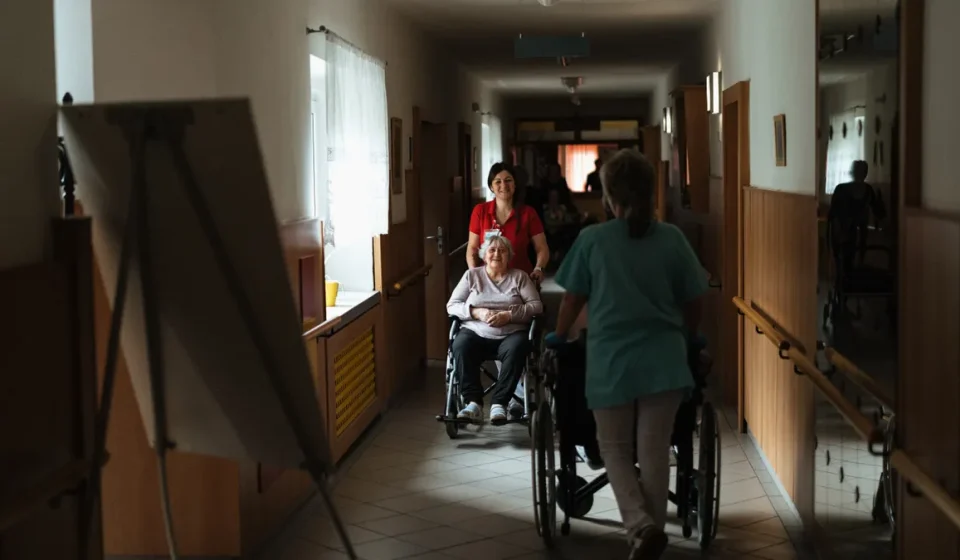
The safest home is usually the one with clear paths, steady lighting, and fewer surprises underfoot. Begin with the routes between the bed, bathroom, kitchen, and main chair, because those are the places where people make the most trips in a normal day.
Walk the route at normal speed, then again as if you were tired and carrying something in one hand. Look for cords, shoes, pet bowls, small tables, folded newspapers, and rugs that slide. If a walker is in the home, check that the walkway is wide enough for it to pass without scraping walls or furniture. A standard adult walker is wider than many hallways feel once clutter is added.
Use this order so the assessment stays practical:
- Stand at the bedroom door and trace the path to the bathroom. Remove loose items from the floor, and aim for a clear strip at least as wide as the walker or the person’s natural stride. The result should be a path that does not force side-stepping.
- Check each threshold and transition strip, especially where tile meets carpet or hardwood. Even a small lip can catch a toe or a walker wheel.
- Look at turn points near couches, chairs, and beds. A sharp turn in a narrow space makes falls more likely when balance is already poor.
- Test the main light switch locations. If someone has to cross a dark room to reach a lamp, add a reachable light source before the next evening.
- Stand in the doorway and imagine a late-night bathroom trip. If you can see a snag point, the person using the route will likely find it too.
The common mistake here is clearing only the center of a room and leaving hazards along the edges. That still creates trips, especially in low light. Move power cords behind furniture, not under rugs. Store extra chairs, footstools, and decorative baskets outside the path. This step is not about making the home bare; it is about making it predictable.
For a deeper system that connects safety with daily movement, this fits the broader caregiver home safety and daily living hub.
What should caregivers look for in a home safety assessment?

Caregivers should look for anything that can cause a fall, block a transfer, or delay help in an emergency. That means unstable furniture, poor lighting, slippery surfaces, hard-to-reach items, and setups that make someone twist, stretch, or hurry.
A useful home safety assessment is not a decoration audit. It is a problem hunt. Check the surfaces first. If a floor is polished and the person wears socks, slipping risk rises. If a rug has no backing or curls at the edges, it may need to go or be secured; if there is any doubt, consult an occupational therapist, contractor, or other qualified professional. In wet areas, non-slip mats matter more than style. Near bathtubs, showers, and sinks, look for puddles that reappear because of a leak, a splash, or a habit of stepping out of the shower onto smooth tile.
Then look at reaching and lifting. A person who needs a walker should not have to climb onto a chair to get a can from a high shelf. Put daily items between shoulder and knee height. Store heavier items on lower shelves, and keep the lightest, most-used items where they can be grabbed without a stretch.
Pay attention to “almost hazards,” the things that are not yet causing injuries but are waiting for a tired evening. Examples include:
- a lamp controlled by a switch across the room
- a bathroom trash can that blocks the toilet grab zone
- an oxygen cord, charger, or extension cord crossing a doorway
- a pet bed placed where feet land on the way out of the bedroom
The mistake many people make is focusing on one dramatic hazard and ignoring the small ones. A single grab bar does not fix a dark hallway. A sturdy chair does not fix a slick bathroom floor. A complete check means one hazard is not hiding behind another.
Bathroom safety: the room with the highest payoff
Bathroom safety usually deserves the first upgrade because wet floors, tight space, and quick transfers create a concentrated fall risk. The main targets are the tub, shower, toilet, sink area, and the floor between them.
Start with the floor. A bathroom that dries slowly needs non-slip mats outside the tub or shower and any place water naturally lands. Avoid mats that curl, bunch, or slide. If the bathroom has a throw rug purely for decoration, remove it. In a small room, a loose rug does more harm than good.
Next, look at support points. Grab bars near the tub, shower, and toilet give a person something fixed to hold during standing, pivoting, and sitting. Towel bars are not grab bars; they are built to hold towels, not body weight. If the home already has wall-mounted bars, check whether they feel firm when loaded from different angles. If they flex, wobble, or are mounted in a way that seems decorative rather than structural, do not count them as support.
The toilet area needs enough room for a walker to turn or park. If the person uses a walker, think about where it goes during clothing management and handwashing. A walker that blocks the door or forces a twist can create a bad transfer. If the bathroom is cramped, move a waste basket, scale, or laundry hamper out of the way.
The sink area also deserves attention. Soap, toothbrushes, and medications should not live on a high shelf where reaching happens over a slippery floor. If the person uses a walker, place essentials at sink level or on a counter within easy reach. A sink zone that keeps those items close can reduce extra trips, and the CDC’s older-adult fall guidance also emphasizes checking the home for hazards and improving everyday access.[^2]
One honest limitation: a home with very tight bathroom dimensions may remain awkward even after small changes. A home safety assessment can reduce risk, but it cannot turn a narrow bathroom into a spacious one. In those cases, the safest fix may be a different shower setup, a transfer aid, or a professional installation plan, depending on the home and the person’s needs.
How do you assess stairs, railings, and landings?
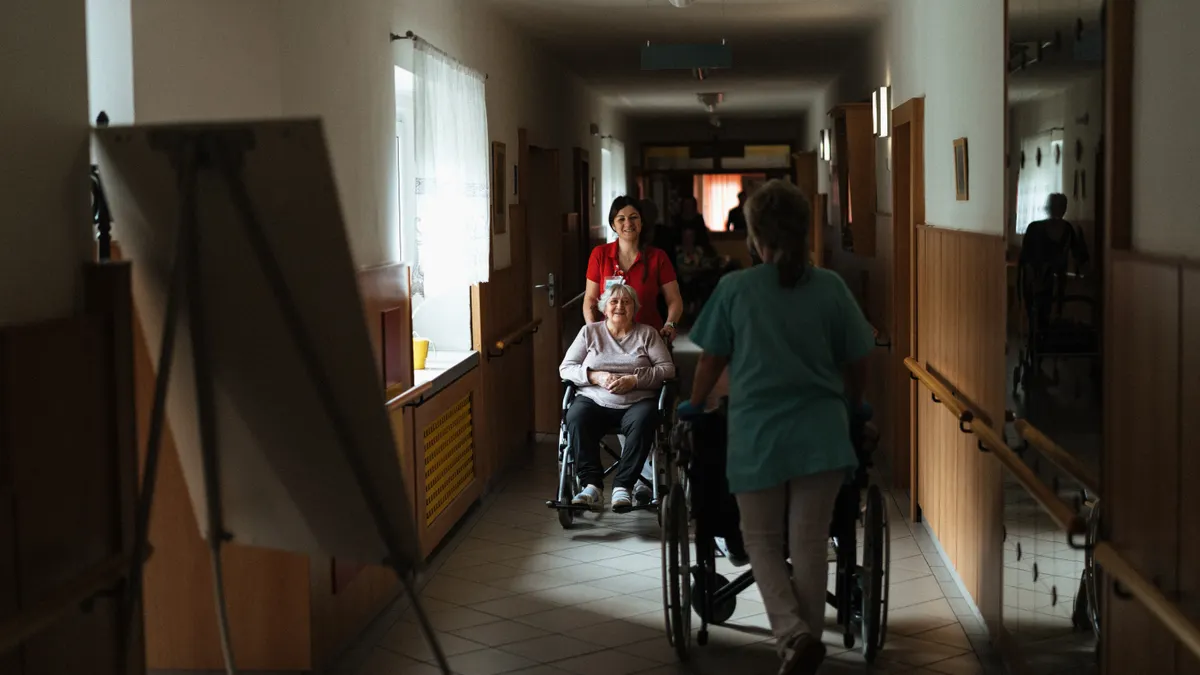
You assess stairs by checking each step, each rail, and each landing for consistency, firmness, and visibility. Stairs become dangerous when the person has to guess where the edge is, grip something loose, or carry items while climbing.
Begin with the stair rail, because a good rail is often the difference between steady movement and a fall. It should feel firm from top to bottom, without wobble or gaps that make the hand slide off. If there is only one rail on a staircase, note that as a risk, especially if balance is poor or the person uses a walker. A walker usually does not belong on stairs; people often need separate strategies for stair use if walking aids are part of daily life.
Check each tread and nosing for wear. A shiny edge can blend into the rest of the step, which makes depth harder to judge. If the stair surface is dark, the lighting needs to be strong enough to show the edge plainly. On straight stairs, the landing should be clear at all times. On a split or turning staircase, clutter on the landing creates a decision point that can go wrong quickly.
Try the stairs in both directions, because down is usually riskier than up. Going down requires more control, and it exposes any weakness in the rail or lighting. If the stairs are used several times a day, make the path boring: no baskets, no stacked laundry, no boxes waiting for “later.”
A common mistake is assuming that because someone has climbed the stairs for years, they are still safe on them now. Aging, medication side effects, new foot pain, and fatigue can change the risk, so if those changes are present, consult a clinician or other qualified professional before deciding the stairs are fine. Another mistake is relying on one rail while carrying a cup, phone, or laundry basket. Hands should be free for the rail. If stairs are part of daily life and confidence is dropping, a professional evaluation may be worth it before there is a fall.
Bedroom setup that reduces night-time risk
A safer bedroom setup keeps the bed, light, walker, and path to the door within easy reach. Night-time is where many avoidable falls happen, because people wake groggy, half-dressed, and in a hurry.
Start with the bed height. The person should be able to sit on the edge with feet touching the floor and stand up without a deep drop or a climb. A bed that is too low makes rising hard. A bed that is too high makes sitting down and standing up unstable. If the mattress has become soft and saggy, transfers get harder even if the bed frame looks fine.
Next, check the bedside setup. A lamp, phone, tissues, water, glasses, and any needed mobility aid should be reachable from bed. This reduces the need to walk in the dark. Night lights help when the route to the bathroom is not fully lit. Place them so they guide movement without shining directly into the eyes.
If the person uses a walker, it should have a parked spot that does not block the route out of the room. A walker left too far away can tempt someone to take the first few steps unsupported. Keep it where it can be reached from the bed without twisting.
Clothing matters too. Long robe ties, loose hems, and slippers that slip off can all catch feet. Choose stable footwear with a back or secure fit, not floppy house shoes that slide underfoot.
The mistake many caregivers make in the bedroom is improving the bathroom path while leaving the bed too hard to get in and out of. A person who cannot rise safely at 2 a.m. will still take a risky trip. The bedroom should support the first movement, not just the final destination.
Lighting, reach, and everyday objects that create hidden hazards
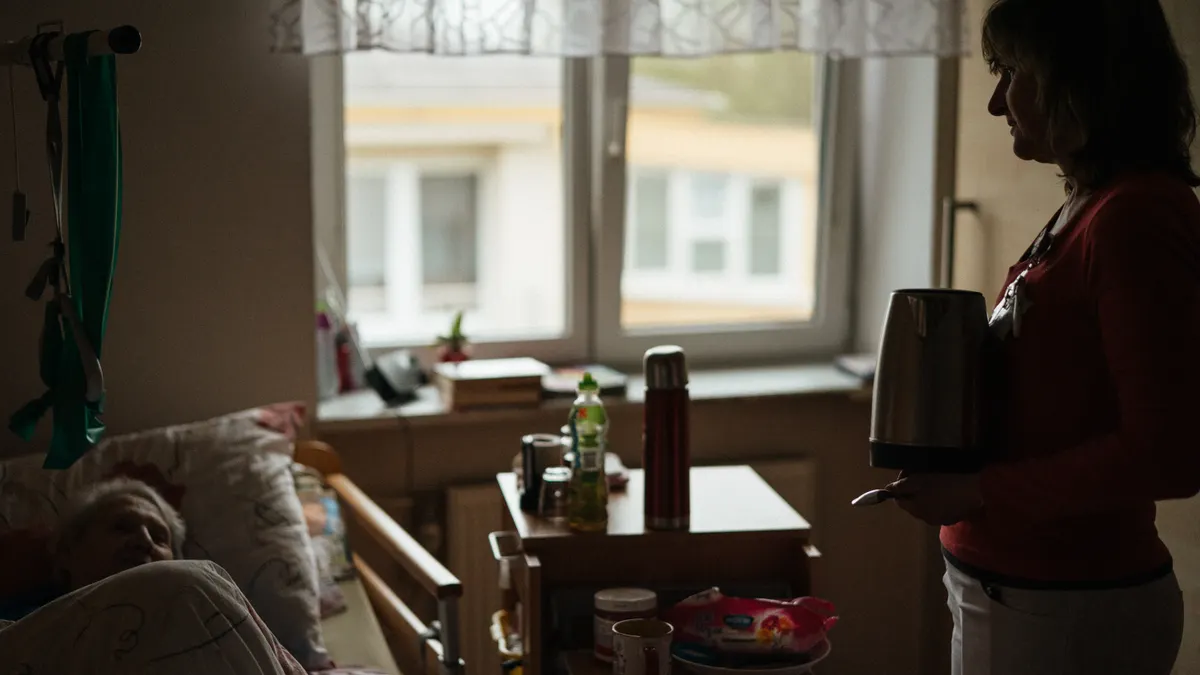
Lighting, reach, and daily objects create hazards because they shape how fast and how far someone moves. A safe room can become unsafe if the switch is out of reach or the shelf forces a stretch.
Use night lights in hallways, bathrooms, and the bedroom route so the person can orient without turning on bright overhead lights. Bright light can help, but the key is consistency. One dark patch between lit areas can hide a step edge, a pet, or a dropped item.
Check switches and lamps from a seated position and from bed. If someone has to stand up to turn on a light, that is a design problem. Replace the work of reaching across a room with a simple touch point near the bed or chair.
Then look at the objects people use every day. Remote controls, reading glasses, water bottles, tissues, hearing aid supplies, and medications should be within arm’s reach. The less reaching, bending, and turning, the lower the risk. That does not mean filling the room with stuff. It means placing the right items where the body can get them without strain.
One thing a generic checklist often leaves out is the “carry problem.” A person may move safely when empty-handed but become unstable while carrying soup, laundry, or a glass of water. A tray, side table, or small cart can reduce those trips. If the person uses a walker, carrying items in both hands while using it is a poor trade. Keep frequent items distributed so they do not need to be transported constantly.
Finish the assessment with one honest decision
The final step in a home safety assessment is deciding what gets fixed now, what can wait, and what needs professional help. Not every hazard is equal. A curled rug in a main path is a now problem. A decorative shelf in a low-traffic room may wait. A loose stair rail, badly lit stairwell, or bathroom that cannot support safe transfers is not a DIY item if the repair needs structural work.
A practical finish is to make three lists after the walk-through: remove today, repair within the week, and ask a professional. Keep the first list short and specific. Remove the basket. Remove the rug. Add the night light. Secure the non-slip mat. Put the walker beside the bed instead of across the room. That kind of action changes risk immediately.
The biggest limitation of any home safety assessment is that it does not predict everything. It lowers the chance of a bad event, but it cannot eliminate every fall. That is why the goal is not perfection. The goal is fewer surprises, fewer rushed movements, and fewer spots where a tired person has to improvise.
If the person has frequent falls, dizziness, confusion, or trouble with transfers, a clinician, occupational therapist, or other qualified professional should be involved. Those are not just home-design problems.
Key Takeaways
- The best safety checks focus on the actual walking routes, not just the rooms themselves.
- Bathrooms and stairs deserve the closest look because wet surfaces, transfers, and step edges create concentrated risk.
- Grab bars, non-slip mats, night lights, and a properly placed walker solve different problems; one does not replace the others.
- A good assessment removes clutter, improves lighting, and lowers the amount of reaching, twisting, and carrying.
- If the home still feels unsafe after basic changes, the issue may need professional input rather than another small fix.
What should caregivers look for in home safety?
Caregivers should look for anything that increases the chance of a fall, slip, or bad transfer. That includes loose rugs, poor lighting, wet floors, blocked walkways, unstable furniture, and items placed too high or too low. The safest changes are usually simple: clear paths, steady support, and reachable daily items.
How do you assess a home for an aging parent?
Assess the home by following the parent’s real routine from bed to bathroom, kitchen, and main chair. Check the floor, lighting, stairs, bathroom supports, and bed height while imagining night-time use and walker use. Start with the highest-risk areas first, and document what should be removed, repaired, or reviewed by a professional.
[^1]: National Institute on Aging, “Prevent Falls and Fractures,” https://www.nia.nih.gov/health/fall-prevention/prevent-falls-and-fractures
[^2]: Centers for Disease Control and Prevention, “Older Adult Falls,” https://www.cdc.gov/falls/older-adults/index.html
Drafted with AI; not yet reviewed by a person.