Last updated: October 22, 2026
Key Takeaways
- Caregiver meal planning should solve three problems at once: unpredictable energy, changing appetite, and limited time.
- Build a meal plan around foods that can be eaten hot or cold, made in under 30 minutes, and used in at least 2 meals.
- Soft, moist, easy-to-portion foods work well when appetite is low or chewing is hard.
- A short, repeating shopping list helps meal prep hold together when you are tired.
Meal prep for caregivers works best when it matches the day’s real energy, not an ideal one. This meal prep for caregivers article focuses on a meal plan you can cook when you are tired, eat when appetite is low, and stretch across a week without spoilage or a sink full of dishes.
What caregiver meal planning needs to solve first
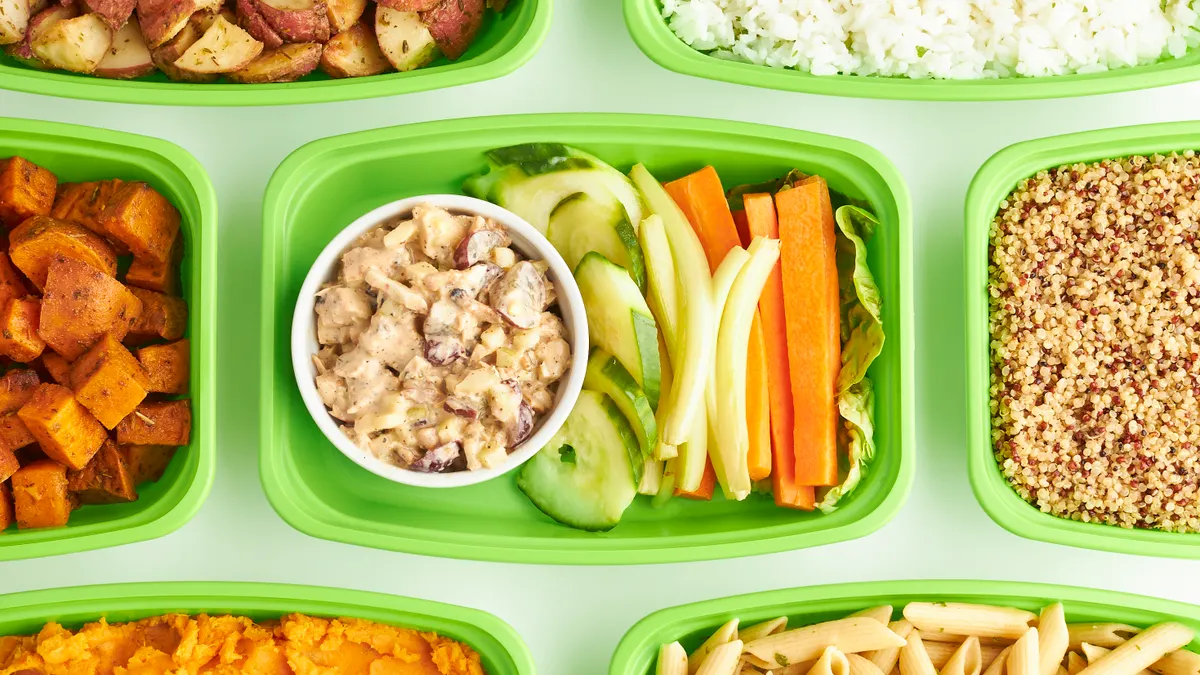
Caregiver meal planning needs to solve three problems at once: unpredictable energy, changing appetite, and limited time. That means the plan has to be flexible enough for a 10-minute microwave meal on one day and a soft, easy-to-chew dinner on another.
Therefore, the starting point is a short list of meals and snack options that can shift with the day rather than a perfect weekly menu. A caregiver who is too drained to chop onions will not use a plan that depends on scratch cooking. A caregiver who is too busy to sit down to lunch will need food that can be eaten in 5 minutes, not a recipe that takes 45.
For many households, the winning setup looks like this:
- 2 or 3 main meals that hold up well in the refrigerator
- 3 or 4 snack options that can become a mini-meal
- 1 or 2 backup microwave meals
- A short shopping list that repeats every week or 2 weeks
That is enough structure without turning the kitchen into a second job. It is also the point where generic “eat healthier” advice fails. A caregiver does not need abstract nutrition language; they need food that survives fatigue, missed meals, and sudden appetite loss.
This approach is not for someone who enjoys cooking elaborate meals every day. It is for someone who needs reliable food with the least possible decision-making. It also is not a fix for ongoing weight loss, severe swallowing trouble, vomiting, or dehydration. Those need medical advice, because the meal plan may need texture changes or supplements beyond ordinary home cooking.
If you want the larger home setup around this routine, the hub on caregiver home safety and daily living can sit alongside this page.
How do I build a meal plan for caregiver days that change?
Build a meal plan by choosing foods that can be eaten hot or cold, made in under 30 minutes, and repurposed into at least 2 meals. Start with 3 breakfasts, 3 lunches, and 3 dinners, then repeat them rather than trying to invent 21 different meals.
Use this order:
- List the 5 times of day when eating is realistically possible. For many caregivers, that means early morning, midmorning, late afternoon, evening, and before bed. This shows where a 10-minute snack or a microwave meal fits.
- Pick 2 proteins that can cook in batches, such as eggs, chicken, tofu, beans, or Greek yogurt. Protein gives the meal enough staying power when appetite is small.
- Add 2 soft carbohydrates, such as oats, rice, potatoes, pasta, or bread. These are easier to eat when fatigue makes chewing feel like a chore.
- Choose 3 vegetables or fruits that work cooked, raw, or blended, such as carrots, frozen peas, bananas, applesauce, or spinach. Frozen and canned options save time and cut waste.
- Assign each food to at least 2 uses. Roast chicken can become a rice bowl one night and a sandwich the next. Cooked rice can become a soup side or a quick fried rice.
- Write the plan on one page, not in a phone note that disappears under messages. A visible meal plan cuts down on the “what is for dinner?” stall that happens when energy is gone.
The meal plan works best when it is boring in a useful way. It repeats enough to reduce shopping and cleanup, but not so much that nobody will eat it. If appetite changes from day to day, keep one meal slot open for leftovers, toast, soup, or a packaged microwave meal so the plan does not break when the day changes.
What foods work when appetite is low or chewing is hard?
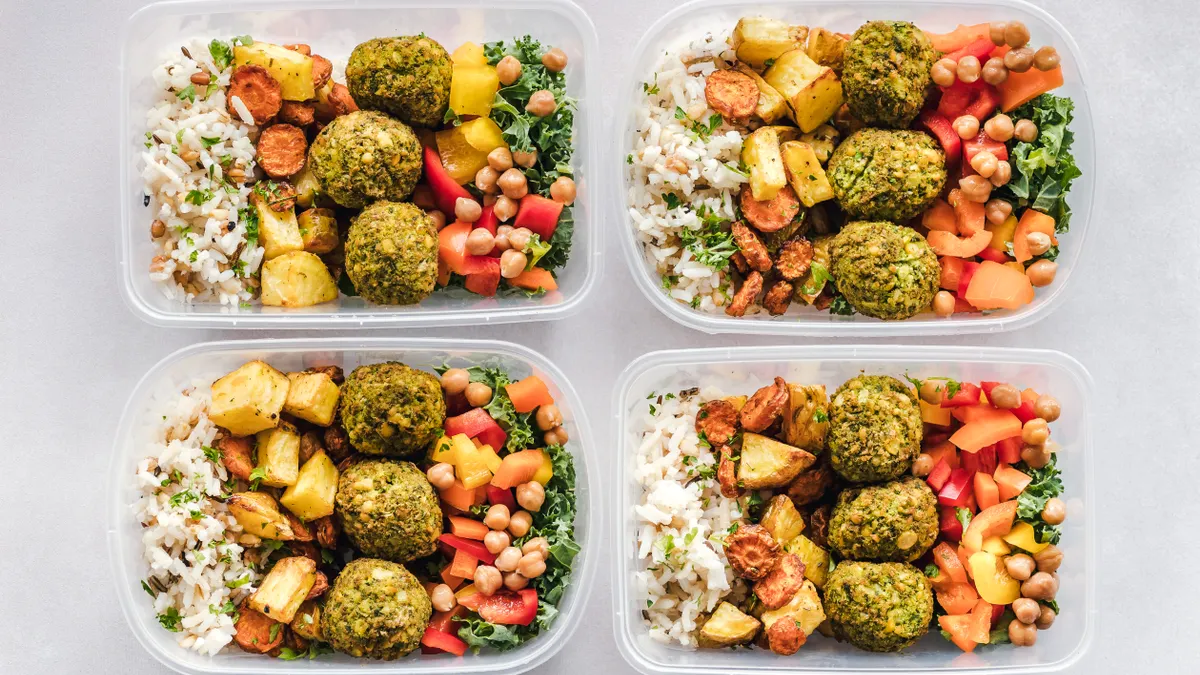
Foods that are soft, moist, and easy to portion work best when appetite is low or chewing is hard. That usually means oatmeal, yogurt, scrambled eggs, soups, mashed potatoes, canned fruit, noodles, and smoothies made with milk or a milk substitute.
For instance, a few practical examples help:
- Breakfast: oatmeal made with milk, topped with banana or applesauce
- Lunch: egg salad on soft bread
- Dinner: soup with cooked rice or noodles
- Snack: yogurt, pudding, cottage cheese, or hummus with soft pita
When chewing is tiring, the problem is often dryness and effort, not taste. Moist foods go down easier than dry ones. Add broth, sauce, gravy, or yogurt to make a meal less work. If bread feels too dry, toast is usually the wrong choice; a soft wrap, pita, or sandwich bread is easier.
A good rule is to keep one “soft meal” ready in the refrigerator every week. For example, a batch of lentil soup, a tray of baked eggs, or a container of mashed potatoes can cover a rough day. These foods usually reheat well in a microwave in 1 to 3 minutes, depending on portion size.
Common allergens show up here often. Dairy appears in yogurt, cottage cheese, milk, and creamy soups. Eggs are in egg salad and baked dishes. Wheat is in bread, wraps, pasta, and crackers. If dairy is a problem, use soy yogurt or fortified oat milk. If eggs are out, use hummus, beans, tofu, or tuna if seafood is allowed. If wheat is a problem, use rice, potatoes, corn tortillas, or gluten-free bread that fits the person’s diet.
This section is not for someone who is having trouble swallowing, coughing with meals, or pocketing food in the cheeks. Those are not ordinary appetite changes. They can need a speech-language pathologist or other clinician, because the texture may need to be adjusted beyond what a home kitchen can safely guess.
The shopping list that keeps meal prep from collapsing
A short, repeating shopping list keeps meal prep from collapsing when you are tired. The list should fit on one page and cover breakfast, lunch, dinner, snacks, and hydration for 5 to 7 days.
A practical list usually has these categories:
- Protein: eggs, chicken thighs, tofu, canned beans, tuna, yogurt
- Carbs: oats, rice, pasta, bread, potatoes, tortillas
- Produce: bananas, apples, carrots, spinach, onions, frozen vegetables
- Fast extras: broth, jarred sauce, hummus, peanut butter, cheese, salsa
- Hydration: water, sparkling water, herbal tea, broth, oral rehydration drinks if a clinician has recommended them
The trick is to buy ingredients that can serve more than one job. A 1 kg, or about 2 lb, bag of potatoes can become baked potatoes, mash, or soup. A large bag of frozen vegetables can go into fried rice, soup, or a pasta dish. A dozen eggs can cover breakfast, a quick lunch, and a dinner frittata.
Make the list with 2 sections: “must buy” and “nice to have.” That keeps one missing item from wrecking the week. If there is no energy for a full shop, a backup list for microwave meals, bread, yogurt, fruit, and soup can still get the household through 2 or 3 days.
A generic grocery list often fails because it ignores overlapping ingredients. If the list includes tortillas, beans, salsa, rice, and yogurt, those foods can become several meals with little effort. If it includes 12 unrelated recipes, one tired evening turns into wasted food and skipped meals.
Refrigerator labels help here more than people expect. Label containers with the food name and the date it was cooked, such as “Chicken rice, 12 Oct.” In a shared fridge, that keeps older food from hiding behind newer containers. Use a marker and masking tape if you do not have printed labels.
How to prep once and eat differently all week
Prep once and eat differently all week by cooking base ingredients in 2 batches and changing the shape of the meal later. That gives you variety without a full cooking session every night.
A sensible weekly prep block is 60 to 90 minutes. During that time, cook one grain, one protein, and one vegetable. For example: 2 cups, about 400 g, of dry rice; 4 chicken thighs; and a tray of carrots and zucchini. Those same ingredients can become bowls, wraps, soup, or fried rice across several days.
Here is the logic:
- Cook plain rice or pasta once.
- Cook a protein in a simple way, such as roasted chicken, baked tofu, hard-boiled eggs, or simmered beans.
- Roast or steam vegetables with salt and oil.
- Store each item in separate containers, so the foods can be mixed and matched later.
The advantage is flexibility. On a high-energy day, the meal becomes a bowl with vegetables and sauce. On a low-energy day, it becomes a microwave plate with no extra work. On a no-appetite day, it becomes soup, toast, or a snack plate with fruit and yogurt.
Microwave meals deserve a place in the plan, not because they are glamorous, but because they keep the whole system from breaking. A good frozen meal, a soup cup, or a ready-to-heat grain bowl is better than skipping food entirely. The trade-off is salt, cost, or smaller portions, so they work best as backup meals rather than the whole plan.
Food safety matters in this section. Cool cooked food within 2 hours of cooking, then refrigerate it in shallow containers so it chills faster. Reheat leftovers until they are steaming hot throughout, and do not keep cooked rice or pasta sitting out at room temperature. If the kitchen is warm, split large batches into smaller containers before refrigeration.
Snacks and hydration that count on low-energy days
Snacks and hydration that count on low-energy days should be easy to grab, easy to chew, and easy to finish. The point is to reduce the effort of eating when the person caring for others has almost no appetite left.
Strong snack options include:
- Greek yogurt or soy yogurt
- String cheese or dairy-free cheese
- Peanut butter on soft bread, if nuts are allowed
- Hummus with pita or soft crackers
- Bananas, applesauce, or canned peaches
- Trail mix, if chewing is manageable
- Hard-boiled eggs
- Soup or broth in a mug
Because low energy often comes with low appetite, a snack can be more useful than a full meal if the day is chaotic. Two smaller eating points, each with protein and fluid, often work better than waiting for a “proper” dinner that never happens. Keep 2 or 3 snack items at eye level in the refrigerator, not buried behind leftovers.
Hydration needs the same kind of planning. A bottle left by the sink, a mug on the desk, and a pitcher in the fridge all make drinking more likely. Water is the default, but tea, milk, broth, and watered-down juice can help if plain water becomes hard to drink. If a clinician has recommended fluid limits or special hydration guidance, follow that plan instead.
A useful trick is to tie hydration to routines that already happen. Drink a glass of water when the kettle boils, after medicine rounds, or while the microwave runs for 2 minutes. That link matters more than willpower. A caregiver who is already running on low energy should not have to remember one more separate task.
This is not the place for elaborate wellness rules. It is about putting drinkable things in reach and making them visible.
Common meal-prep mistakes that waste energy
The most common meal-prep mistakes are overcooking, overplanning, and underbuying backup food. Each one costs time in a different way, and each one has an easier fix.
- Making recipes that need 5 pans or 12 ingredients. The cost is cleanup, which eats the next day’s energy. The fix is one-pan meals, sheet-pan dinners, soup, or grain bowls.
- Planning only dinners. The cost is skipping breakfast or lunch and then crashing by late afternoon. The fix is to plan snack options and quick daytime meals as seriously as dinner.
- Cooking foods nobody can eat when tired. The cost is a fridge full of meals that sound good on paper but feel too hard to chew. The fix is to include soft foods and at least one microwave meal.
- Skipping labels. The cost is food waste and uncertainty about what is still safe. The fix is refrigerator labels with the food name and date.
- Trying to prep every detail for 7 days. The cost is burnout before the week starts. The fix is a 3-day base plan plus backup groceries.
The hard truth is that meal prep for caregivers works only when it respects a low-energy reality. A plan that assumes energy will improve by Thursday is not a plan; it is a guess. Keep the meals simple enough that tired you can still use them. That is the standard that matters.
What is the simplest caregiver meal plan to start with?
The simplest caregiver meal plan is one breakfast, one lunch, one dinner, and two snack options repeated across 3 days. Start with oatmeal, soup, rice bowls, yogurt, fruit, and one microwave meal as backup. This gives structure without a long cooking session, and it keeps the fridge from filling with unused leftovers.
Choose foods that can be eaten hot or cold and that need no more than 10 to 15 minutes of active work. A simple plan is easier to follow when appetite changes or the day runs long. If the plan feels too ambitious, cut it back again.
How do caregivers plan meals for older adults?
Caregivers plan meals for older adults by choosing foods that match chewing ability, appetite, and routine. Start with soft, moist foods such as eggs, oatmeal, soup, and cooked vegetables, then add familiar flavors and small portions. Keep a few snack options visible and label leftovers so older adults can find safe, ready-to-eat food quickly.
If swallowing, weight loss, or repeated refusal to eat is part of the picture, the meal plan may need a clinician’s input.
Drafted with AI; not yet reviewed by a person.