
How to Reduce Nighttime Confusion and Bathroom Accidents at Home

Last updated: November 19, 2026
Key Takeaways
- Make the night route simple, bright enough, and short enough that you do not need good memory to get there.
- Keep the path free of edges, loose items, and uncertainty about foot placement.
- Shorten the steps between waking up and sitting down.
- Choose clothing that comes off in one motion and does not tangle in the dark.
Nighttime confusion and bathroom accidents at home usually improve when the path, the toilet, and the clothes are made easier to use after dark. This article on how to reduce nighttime confusion and bathroom accidents at home focuses on lighting, a clear route, and faster access to a toilet. The steps below show what to change first and what to leave alone.
Reduce nighttime confusion and bathroom accidents at home
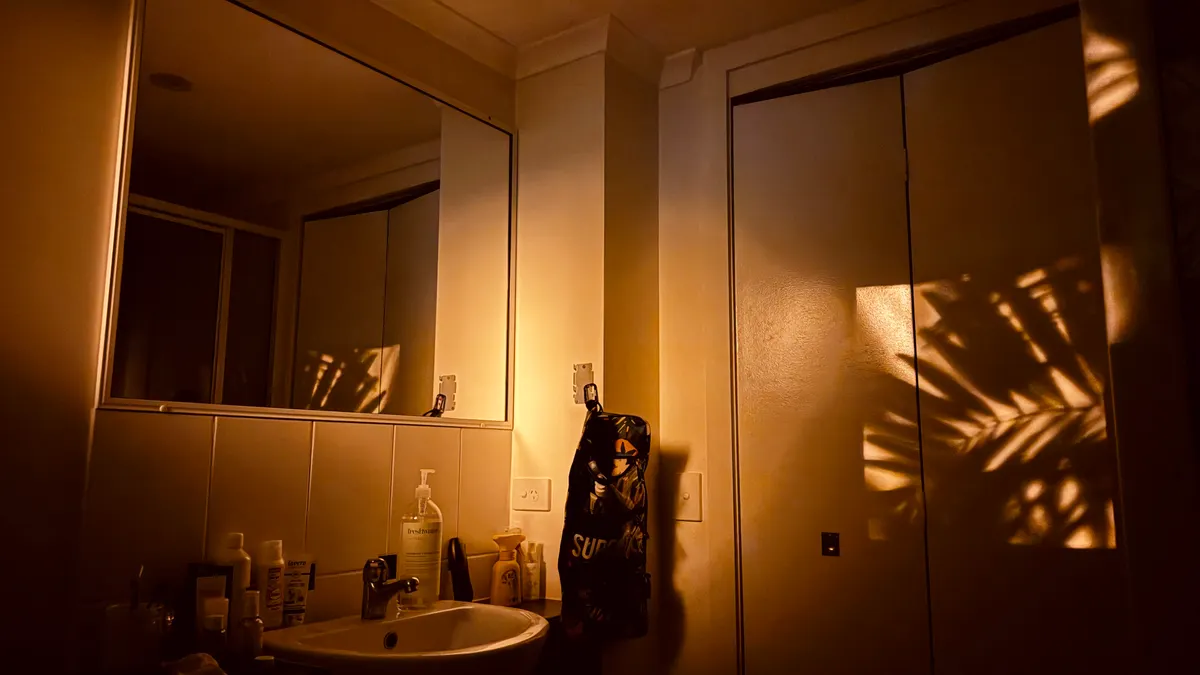
Picture this: you wake up half-asleep, your feet hit a cold floor, and the bathroom feels farther away than it should. The answer is to make the night route simple, bright enough, and short enough that you do not need good memory to get there.
Nighttime safety starts with three things: light, distance, and delay. If the person has to remember where the switch is, dodge clutter, or wait too long for help, accidents climb fast. The goal is not a fancy bathroom. It is a clear path in 30 seconds or less from bed to toilet.
Here’s the catch: a lot of falls and accidents happen because the room is technically usable but not usable at 2 a.m. A dim hall, loose slippers, a locked door, or pajama bottoms that take two hands to manage can turn a simple urge into a mess.
- Put a motion sensor light in the bedroom, hall, and bathroom entrance so the route lights up without a switch hunt.
- Clear the floor of cords, baskets, shoes, and throw rugs so there is no step-around decision in the dark.
- Keep a walker or cane parked in the same spot every night if it is needed for balance.
- Make the toilet easier to reach with a bedside commode or a toilet aid if the walk is too long.
- Set clothes up for fast removal, like elastic waistbands and one-piece layers that do not trap the person at the waist.
- Use a call system or alarm if the person wakes confused and should not walk alone.
- Check the bed-to-toilet route before lights out, not after the first urgent wake-up.

A simple route beats a perfect room. That matters because a route that stays the same each night is easier to remember.
What belongs on the path from bed to toilet?
Picture this: you are standing up fast, half awake, and your eyes have not adjusted yet. The safest path is usually the one with no surprise edges, no loose objects, and no guesswork about where your feet land.
The walking path should be the easiest part of the night. That means clear floor space, one reliable light source, and a route that does not force sharp turns. A motion-activated light with a 60-second to 90-second stay-on setting is often easier than a bright ceiling light that wakes the whole house.
Use these checks every evening:
- Put the path on a straight line when possible.
- Remove cords, laundry piles, magazines, and pet bowls.
- Keep shoes in one fixed place, not scattered beside the bed.
- Leave a cane or walker where the person can reach it without twisting.
- Open the bedroom door wide enough for a steady, unhurried step through.
- Aim the light at the floor, not straight into the eyes.
A night light helps, but placement matters more than brightness. A low night light near the floor reduces glare and shows edges without making the room feel like noon. A bright bulb that shines into the face can make a confused person turn away, blink, or misjudge distance. That is not safety. That is a trap with electricity.
A path upgrade is often cheaper than the cost of one fall. A pack of basic night lights and a few minutes of rearranging can change the whole night.
How do you make the bathroom easier to find and use?

Picture this: the person makes it to the door, but the last five feet still go wrong because the light switch is hard to reach and the toilet feels unstable. The fix is to reduce the steps between waking up and sitting down.
The bathroom should feel obvious the moment the door opens. A motion sensor light at the entry and a second light near the toilet are often better than one bright bulb overhead. The reason is simple: people who are confused after dark do better with directed light and less glare.
A toilet safety frame can also help if standing or lowering is shaky. It gives the hands a fixed place to hold, which can reduce the panic of “I’m going down too fast.” If the toilet sits far from the bed, a bedside commode may be the safer choice for nights when urgency is the real problem. That is especially true when the path includes stairs or a long hall.
Use this order:
- Turn on the entry light before the person starts moving.
- Keep the toilet lid up only if that is the simplest, safest setup for the person using it.
- Set a toilet safety frame so it is level and does not wobble.
- Keep extra toilet paper within easy reach.
- Leave the floor dry, with no bath mat that curls at the edge.
- Place a backup urinal or commode within the room if the walk is too long on some nights.
A commode is not a step backward. It is a distance saver. The trade-off is that it takes floor space and needs regular emptying and cleaning. It also works best when the person can sit and rise with little help. If the room is too small for safe placement, a toilet safety frame plus a clearer route may be better.
What clothing changes cut bathroom accidents fastest?
Picture this: the person reaches the toilet, but the accident starts before they sit down because the waistband, snaps, or layers take too long. The answer is clothing that comes off in one motion and does not tangle in the dark.
Night clothes should be easy to manage with poor light and sleepy hands. That means elastic waistbands, loose hems, and no tricky fasteners at the waist. It also means skipping belts, buttons, and tight leggings when nighttime bathroom trips are common. A person should not need fine finger work at 3 a.m.
What helps:
- Pants or shorts with a wide elastic waist.
- One-piece sleepwear only if it opens fast and does not trap the person.
- Underwear that is easy to pull down without balancing on one foot too long.
- Slip-on shoes with a back, if shoes are needed for stability.
- Clothing placed in the same order every night.
What hurts:
- Tight waistbands that need two hands.
- Zippers and snaps that fail in low light.
- Long nightgowns that catch under the feet.
- Layers that force a pause at the toilet door.
The mistake here is small but costly: clothing that looks neat can delay toileting long enough to cause urgency or a fall. The better choice is plain and practical. It is practical, not stylish.
If the person wakes confused, the clothing setup should be even simpler. Lay out the next day’s clothes, keep the night outfit easy to reverse, and avoid anything that creates a dress-or-undress puzzle in the bathroom.
When a bedside commode is the better choice
Picture this: the bathroom is safe enough in daylight, but at night the walk is long enough that every trip carries risk. A bedside commode is the better choice when speed matters more than keeping everything in the bathroom.
A bedside commode helps when the person has urgent nighttime toileting, poor balance, or repeated confusion after waking. It shortens the route to a few steps, which can be the difference between getting there and not. It also reduces the need to rush through a hallway when the person is sleepy, dizzy, or unsteady.
The trade-offs are real:
- It takes room beside the bed.
- It needs regular emptying and cleaning.
- Some people resist it because it feels like a loss of dignity.
- It may not be the right fit if the person cannot sit down or stand up safely on their own.
A commode works best when it is treated as a night tool, not a failure. Put it where the person can reach it without crossing the room. Keep tissue, wipes, and a trash container close. If odor or cleanup becomes hard to manage, the setup may need a different container or a different location. If repeated problems continue, a clinician should review the setup and the person’s safety needs.
A lot of families wait too long on this one. They keep trying to “get by” with a long walk until there is a fall or a soaked floor. That is the wrong lesson. If the bathroom route is the danger point, shorten the route.
How do alarms and call options help without adding more confusion?
Picture this: the person wakes disoriented and starts to get up alone because they do not remember the plan. A call option or alarm can slow that moment down and bring in help before the bathroom trip turns unsafe.
A simple call bell, room alert, or door alarm can be useful when confusion is the bigger problem than urgency. The point is not to scare the person. The point is to create one clear action: press, call, or wait. A voice that says “stay in bed” can help, but only if the person still understands it in the moment.
Use the least confusing option first:
- A bedside call button with one large, easy press.
- A motion alert that signals someone in the next room.
- A monitor with a clear on/off setting, not a menu maze.
- A phone or intercom only if the person knows how to use it at night.
The wrong setup is the one that needs memory, passwords, or several steps. If the alert is too complex, the person may ignore it or panic. Keep it plain.
A good rule is simple: if the person can use the alarm in daylight but not after dark, it is not simple enough. This is one place where less technology often works better. A large button near the bed beats a clever app the person cannot find at 2 a.m.
How sleep disruption feeds the problem
Picture this: the person wakes three times a night, feels foggy each time, and every trip to the toilet comes with bad balance and poor judgment. That pattern is not random. Sleep disruption makes confusion and bathroom accidents more likely.
Broken sleep does three ugly things. It makes the person slower to stand, slower to think, and more likely to rush. It also raises the chance of skipping the light, stepping around obstacles, or assuming the bathroom is closer than it is. The night becomes a series of bad half-decisions.
What helps most is a routine that reduces wake-ups:
- Limit late fluids if the person’s clinician has said that is appropriate.
- Keep the bedtime routine the same every night.
- Make the path ready before sleep so there is no searching later.
- Use a night light that stays on all night if wake-ups are frequent.
- Keep the room temperature comfortable enough that the person does not keep getting up.
The trade-off here is that not every night-time trip can be avoided. Some trips still need to happen. The aim is not zero bathroom use. It is fewer rushed trips, fewer confused moments, and fewer chances to fall.
If the person starts waking much more often than usual, or confusion suddenly gets worse, that is not just a home setup issue. It can be a sign that something else changed. A clinician should review that pattern, especially if the change is new or sharp.
For broader home caregiving safety, the hub page on home caregiving safety belongs with this topic because the night setup is part of the whole-home picture. For related guidance, see our page on home caregiving safety, along with fall prevention at home and sleep safety.
The mistakes that cause most nighttime accidents
Picture this: the room looks fine in daylight, so the family assumes the night will be fine too. That assumption is where a lot of accidents begin.
The most common mistakes are small and fixable:
- Leaving the hall dark because “they know the way.”
- Using a light that shines too brightly into the eyes.
- Keeping the path cluttered with extra furniture or laundry.
- Making the person manage buttons, belts, or tight waistbands half asleep.
- Waiting on a commode or walker until after a fall.
- Assuming one bathroom light is enough for the whole route.
Each mistake has a cost. The dark path creates poor depth judgment. The wrong light can make the person squint and turn away. Clothing delays lead to urgency. Waiting for equipment can turn one hard night into weeks of recovery.
The fix is boring, and that is a compliment. Make the route plain, shorten the walk, and remove the decisions. If the same problem keeps happening, stop treating it like a fluke. It is the setup. If the pattern is new or much worse, a clinician should check for a medical cause.
One more honest limit: if the person is suddenly far more confused at night than before, or if the accidents started with a new illness or medication change, home changes may not be enough on their own. A professional review can help find the reason. For guidance on safety changes at home, see the home caregiving safety page.
How do I keep someone safe at night at home?
Keep the route short, bright, and uncluttered. A motion sensor light, a clear path, and a toilet that is easy to reach do more than one big fix after a fall. If the person is unsteady, a walker, a toilet safety frame, or a bedside commode can reduce the chance of rushing or losing balance.
Why do bathroom accidents happen at night?
Bathroom accidents happen at night because sleep makes people slower, dim light makes distance harder to judge, and urgency creates rushing. Tight clothing, a long walk, and confusion after waking add to the problem. A person may be capable in daytime and still struggle at 2 a.m.
What helps prevent confusion after dark?
A familiar layout helps most: one path, one light, and one place for the walker or cane. Keep the room dim but usable with a low night light or motion light, and avoid changes that force the person to think. The more automatic the routine, the less likely confusion is to win.
Drafted with AI; not yet reviewed by a person.